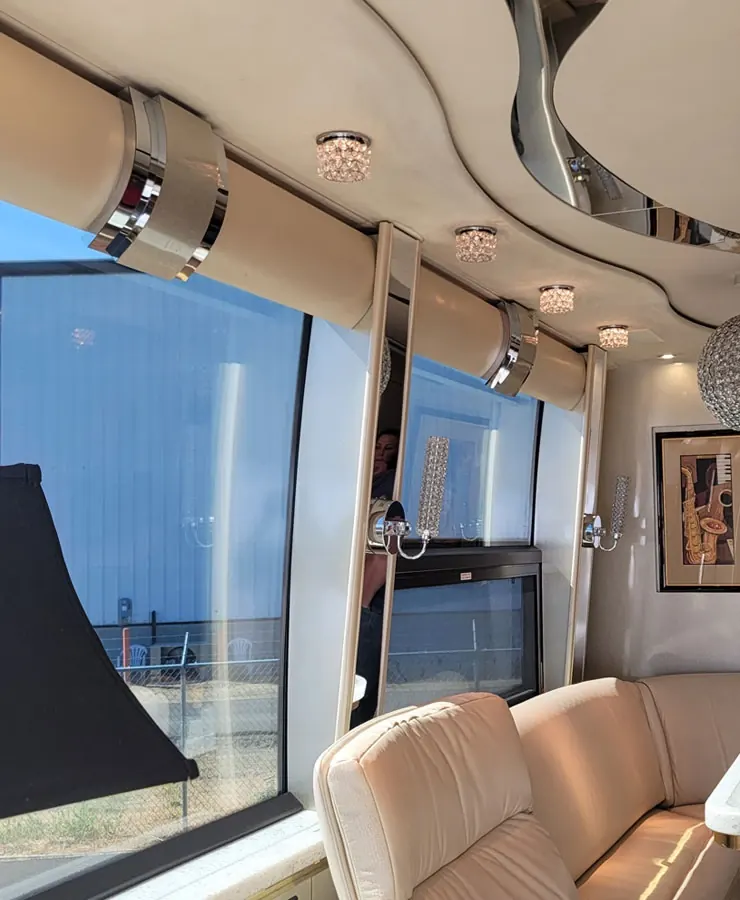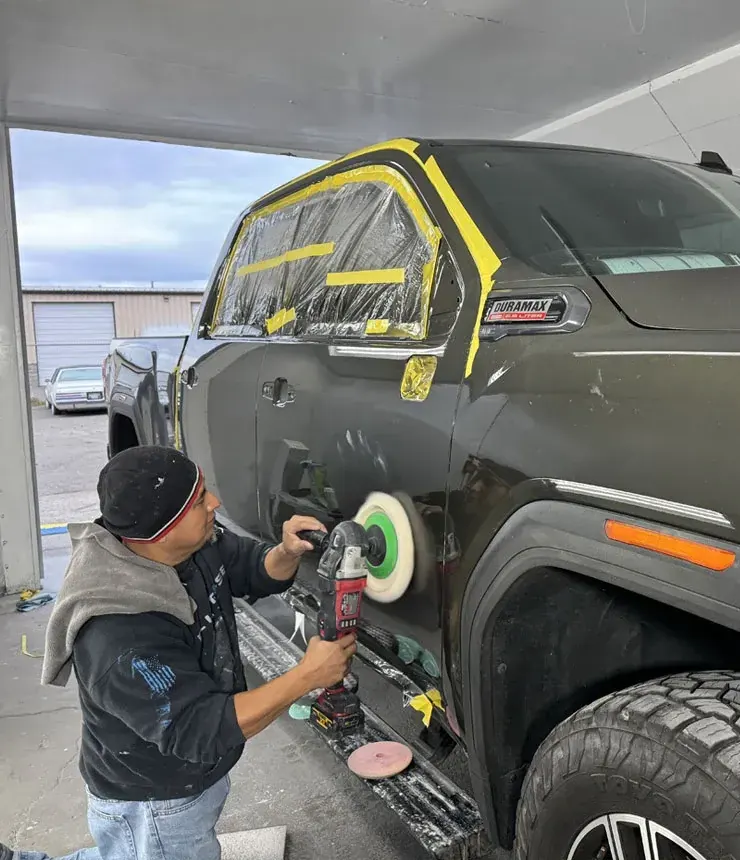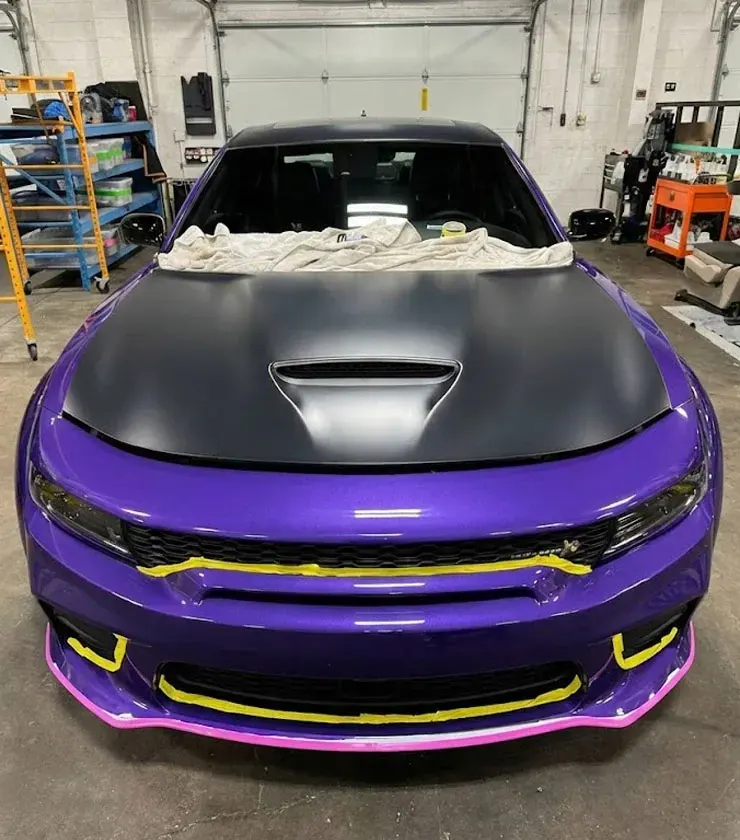
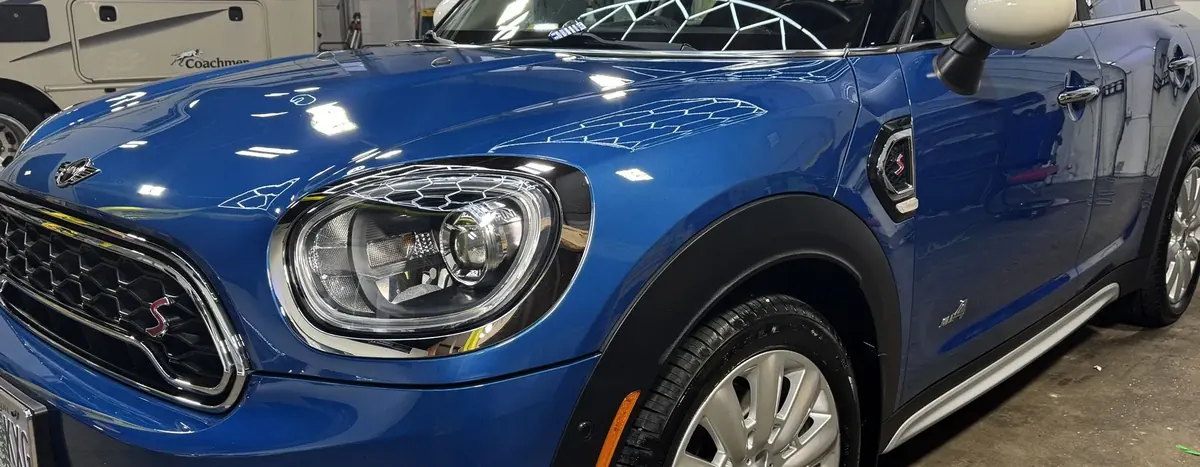
A full exterior detail includes wheel and tire cleaning, a pre-rinse and foam soak, a two-bucket hand wash, chemical removal of iron, tar and sap, clay treatment, careful drying, an inspection under strong light, polishing where the paint needs it, a protective layer, and dressing for trim and tires. A car wash stops after the first few of those. The later steps take most of the time and make most of the visible difference.
This page belongs to the detailing and paint care guide written by Blue Rose Auto. It walks through the work in order and explains why the order is what it is.
The steps, in the order they happen
- 1Wheels and tires first. Brake dust is the dirtiest thing on the car, and wheel cleaner splashes. Starting here means the splash lands on paint that has not been washed yet.
- 2Pre-rinse and foam. Thick foam dwells on the paint for a few minutes and loosens grit, so the wash mitt drags less of it across the clear coat.
- 3Two-bucket hand wash. One bucket holds soapy water; the other holds plain water for rinsing the mitt. Grit settles in the rinse bucket instead of going back onto the panel. Work from the roof down to the rocker panels, which are the dirtiest.
- 4Iron removal. A spray reacts with embedded iron particles from brake dust and rail lines. It often bleeds purple as it works. That color is the reaction, not a stain.
- 5Tar and sap removal. Solvent removers handle what the iron spray ignores. Conifer sap is a regular here for anyone who parks under Douglas firs.
- 6Clay. A clay bar or clay mitt glides over lubricated paint and lifts whatever is still bonded to the surface.
- 7Drying. Plush towels or filtered air. Air pushes water out of mirror housings, badges and panel gaps so it does not drip and streak an hour later.
- 8Inspection. Bright, angled light shows the swirls, scratches and water-spot etching that remain. This is where you decide whether polishing is worth it.
- 9Polish, if needed. A separate job with its own page.
- 10Protection. Wax, sealant or a coating.
- 11Trim, tires and windows. Dressing for plastic and rubber, and the windows cleaned inside and out.
Car wash, exterior detail or detail with correction
| Task | Quick wash | Exterior detail | Detail with paint correction |
|---|---|---|---|
| Hand wash | sometimes | yes | yes |
| Wheel barrels and wheel wells | rarely | yes | yes |
| Iron, tar and sap removal | no | yes | yes |
| Clay treatment | no | yes | yes |
| Machine polishing | no | a light gloss polish at most | one or more cutting and finishing stages |
| Protection | spray wax | wax or sealant | often a ceramic coating |
| Typical time | under an hour | several hours | one day or more |
Times vary with the size of the vehicle and how neglected it is. A lifted truck that has seen a winter of gravel roads is a different job from a garaged sedan.
The fingertip test for contamination
Wash and dry one panel, then slip your hand into a thin plastic sandwich bag and glide your fingertips over the paint. The bag exaggerates texture. If the panel feels like fine sandpaper, it is carrying bonded contamination, and wax applied on top will sit on the grit rather than on the paint.
That is also why decontamination comes before polishing. A polishing pad running over embedded particles grinds them into the finish and adds fresh marring. Clay can leave faint haze on soft paints too, which is one reason many detailers follow it with at least a light polish. If the inspection turns up real swirls, paint correction is the next step.
Wax, sealant or coating
All three add a sacrificial layer that sheds water and takes the hits from bird droppings and road grime before the clear coat does. They differ in what they are made of and how long they hang on.
- Carnauba wax gives a warm gloss and the shortest life. Expect to reapply often, sooner in a wet winter.
- Synthetic sealant lasts longer than wax and goes on almost as easily.
- Ceramic coating forms a harder, longer-lived layer, and it needs the paint corrected first. The ceramic coating guide covers what it can and cannot do.
Durability for any of these varies by product, so ask for the manufacturer's spec sheet rather than trusting a label promise.
What a wet Oregon year does to the outside of a car
Rain does not clean a car here; it moves dirt around. Road film builds into a grey haze on the lower doors. Fir needles collect in the cowl below the windshield and can block the drains, which sends water into the cabin. Moss and green algae grow in window seals and around badges on cars that sit outside. Spring brings a yellow pollen coat that turns to paste in the next shower. A trip over a mountain pass in winter can leave de-icer residue on the lower panels.
None of that is a reason to wash daily. It is a reason to wash thoroughly, to clear the cowl and door drains a couple of times a year, and to keep some protection on the paint so the grime has something slick to sit on.
Washing between details
Where you wash matters as much as how. The City of Gresham's car washing tips point out that a commercial car wash captures and treats its wash water and uses up to 60 percent less water than a hose at home. If you do wash in the driveway, park on gravel or grass, use phosphate-free soap and a hose nozzle that shuts off, and pour leftover bucket water down a sink.
Getting it done
Blue Rose Auto Care & Repair Services offers exterior detailing at its shop on Olympic St in Springfield, alongside ceramic coating and paint protection film. The shop's own page on Blue Rose Auto exterior detailing is the place to check what its exterior service covers before you book. Whoever you use, ask which of the steps above are included, and whether polishing is part of the price or a separate job.